
Up to an inch and a half
Thick Plate Laser Cutting
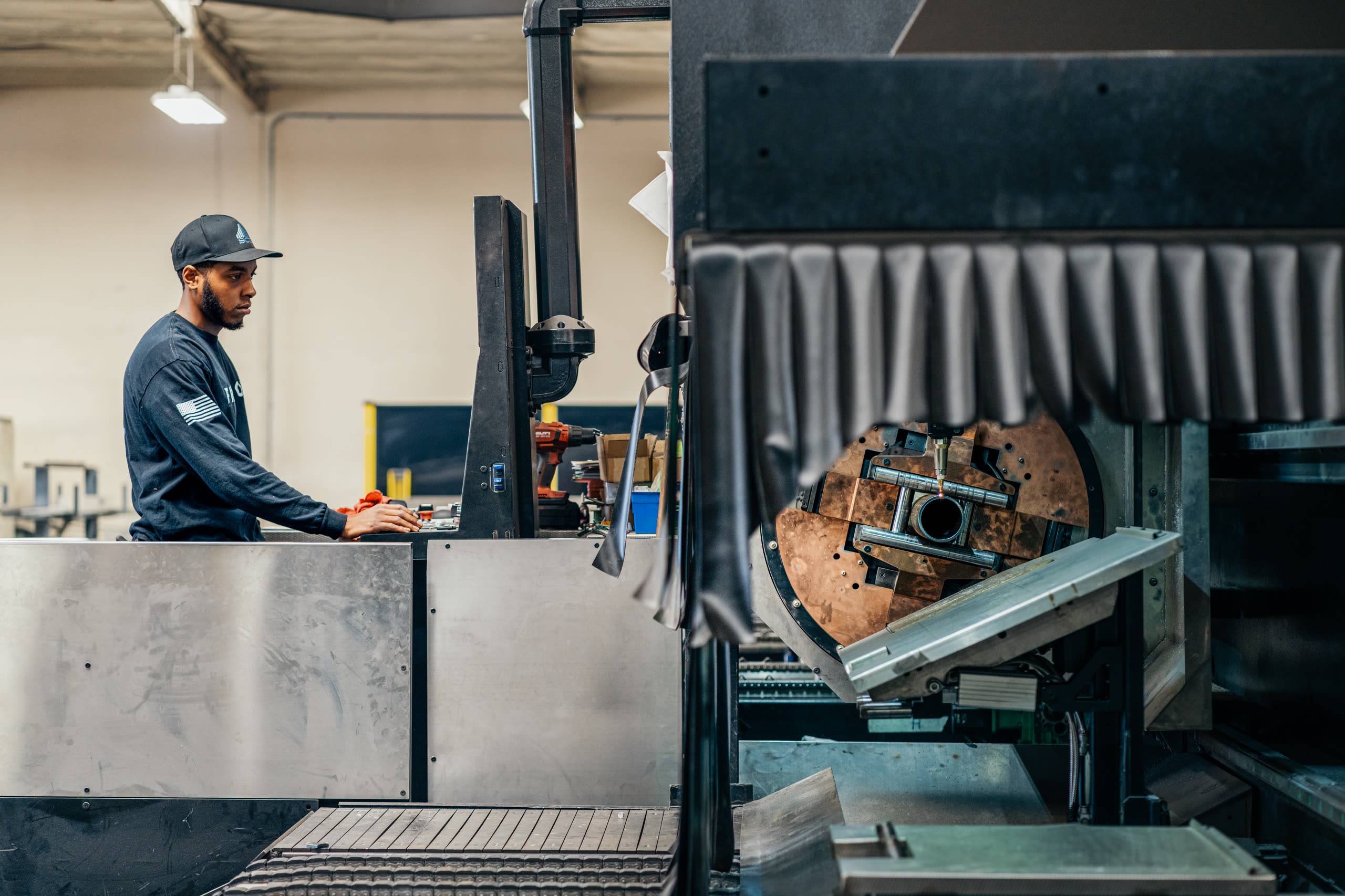
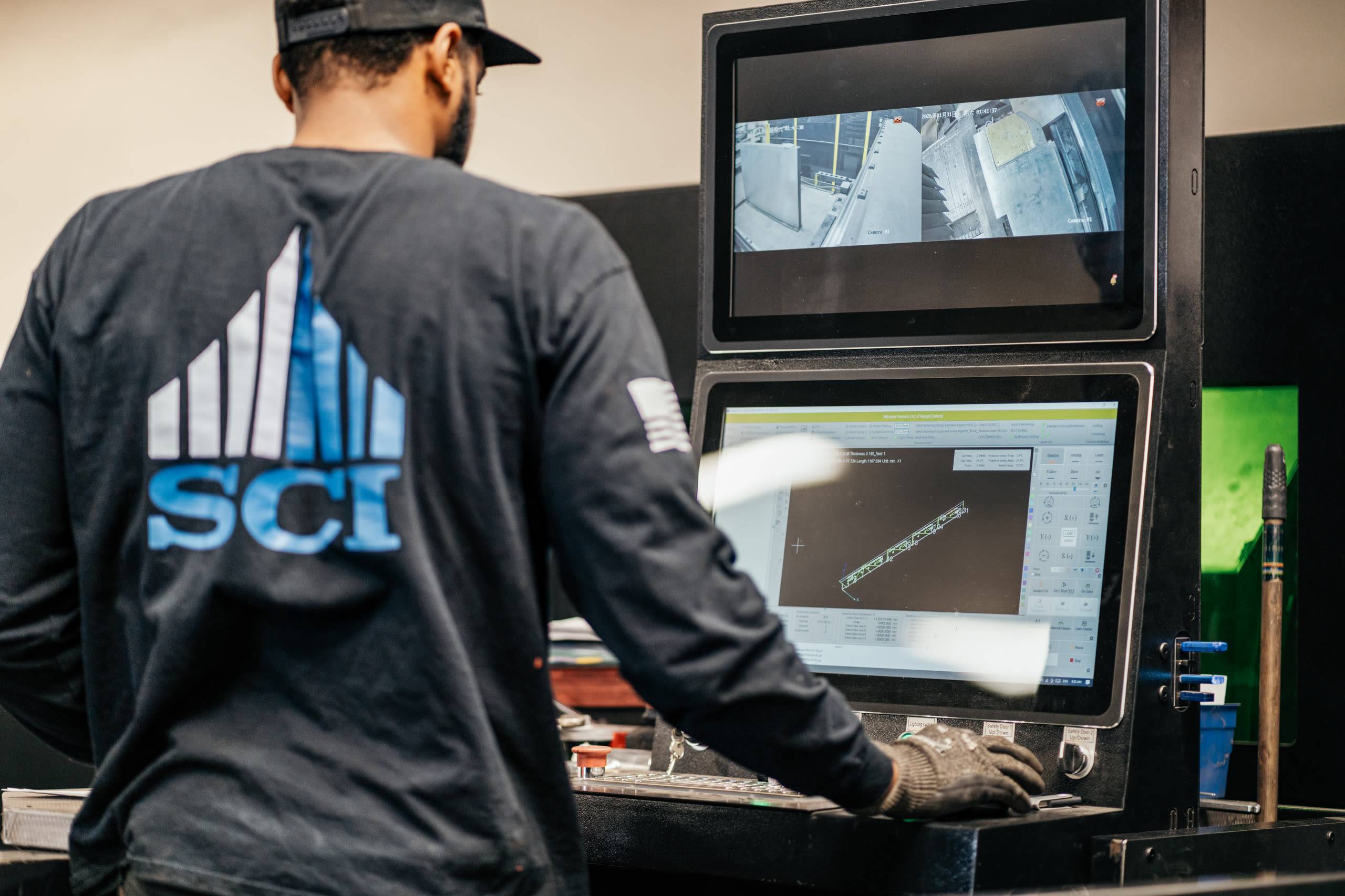
South Coast Iron cuts plate up to 1.5 inches thick on a 20 kW fiber laser at our Placentia, California shop, in carbon steel, stainless and aluminum. The table is 74 by 168 inches with dual shuttles, and turnaround on cut parts is same day or one to two days.
- Metal Fabrication
- Structural Steel
- Custom Fabrication
- Access & Safety Systems
- Silos & Hoppers
- Laser Cutting
At a glance
Specifications
| Maximum thickness | 1.5 in, carbon steel, stainless and aluminum |
|---|---|
| Laser | 20 kW fiber, flat sheet |
| Table | 74 in x 168 in, dual shuttle tables |
| Tolerance | Approximately plus or minus 0.0050 in |
| Other metals | Copper, brass, bronze |
| Turnaround | Same day, or one to two days |
What we cover
- Carbon steel, stainless and aluminum to 1.5 in
- Copper, brass and bronze also cut
- Table 74 in x 168 in, dual shuttle
- Bolt patterns, slots and weld prep cut in the same pass
Most shops quietly stop around half an inch
Plate cutting capacity is the number fabricators are least likely to publish, and there is a reason for that. A lower powered laser can technically cut thick plate, slowly, with a wide kerf and a rough edge that needs grinding before anything can be welded to it. So most shops do not advertise a figure, they just quote the job and hope the drawing is thin.
We publish ours because 20 kW is genuinely different. At 1.5 inches the cut is clean enough to weld straight off the table, which is the difference between a part and a part plus an hour of grinding.
What you avoid by cutting rather than burning
The traditional answer to thick plate is oxy fuel or plasma. Both work, and both leave a heat affected zone, a tapered edge and dross that has to come off. On a baseplate with a bolt pattern that taper becomes a hole that is the wrong size at the bottom.
A laser cut edge is square through the full thickness, the holes are round, and the part is the size the drawing says. Nesting on a 74 by 168 inch table also means fewer offcuts, which on thick plate is real money rather than a rounding error.
Baseplates, gussets and the unglamorous parts
Most thick plate work is not exotic. It is column baseplates, stiffeners, gussets, equipment mounting plates, wear plate and shear tabs. Parts that are simple, heavy, and expensive to get wrong because they sit at the bottom of something tall.
Send the drawing or the model. We detail in house in SolidWorks, so if a hole pattern will not work with the connection above it, you will hear about it before the plate is cut rather than after.
Before you call
Questions we get asked
Not answered here? The fastest route is a phone call to the shop.
Got a drawing? Talk to the shop.
Call and we will talk it through, or send the scope and drawing set and we will get back to you with pricing and a schedule.